
Stainless steel is widely used in architecture, interior design, commercial spaces, transportation, and industrial applications because of its strength, corrosion resistance, and attractive appearance. However, the natural surface of stainless steel is not always suitable for every project. This is where different surface-finishing techniques become important.
One increasingly popular option is the stainless steel vibration finish. Known for its distinctive, non-directional appearance, this finish combines aesthetics with practical performance, making it an excellent choice for applications where both visual appeal and durability matter.
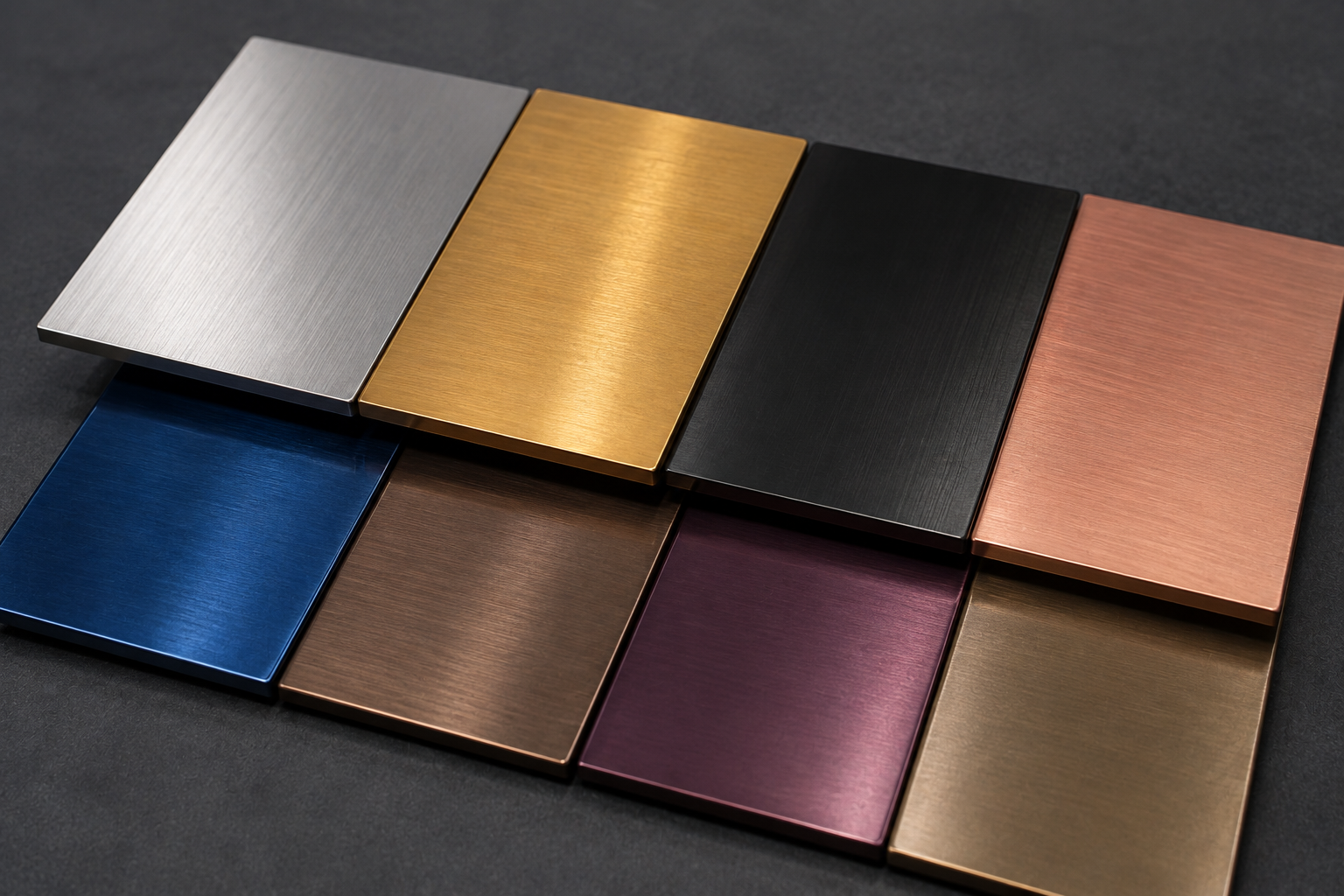
What Is a Stainless Steel Vibration Finish?
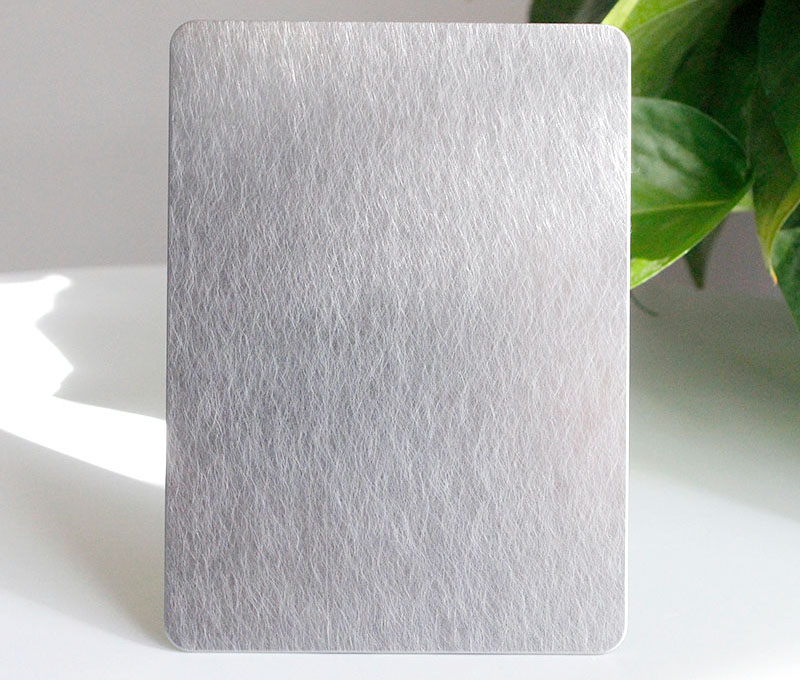
A stainless steel vibration finish is a decorative surface treatment that creates a random, non-directional pattern across the stainless steel surface. Unlike brushed or hairline finishes, which generally have visible lines running in one direction, a vibration finish produces an irregular texture with no dominant grain direction.
The finish is typically created using specialized abrasive equipment that moves across the stainless steel surface in controlled, overlapping patterns. This produces a subtle, textured appearance that can vary depending on the abrasive material, equipment, pressure, and finishing technique used.
The result is a sophisticated surface that reflects light in multiple directions while helping to reduce the visibility of minor scratches, fingerprints, and surface imperfections.
Key Characteristics of Vibration Finish
A stainless steel vibration finish has several characteristics that distinguish it from other stainless steel finishes:
- Non-directional pattern: The random texture does not have a single grain direction.
- Modern appearance: It provides a contemporary and premium look.
- Reduced visibility of scratches: Small marks tend to blend into the irregular surface pattern.
- Low-glare appearance: The textured surface can reduce harsh reflections compared with highly polished stainless steel.
- Versatile application: It can be used in architectural, commercial, and interior applications.
- Easy visual maintenance: Minor fingerprints and everyday marks are generally less noticeable than on mirror-polished surfaces.
How Is Stainless Steel Vibration Finish Produced?
Producing a consistent vibration finish requires careful control of the finishing process. Stainless steel sheets or components are processed using abrasive tools designed to create the characteristic random pattern.
The general process includes:
- Surface Preparation
The stainless steel surface is first cleaned and prepared to remove contaminants, oils, oxidation, or other imperfections. Proper preparation helps ensure that the final finish is uniform.
- Abrasive Treatment
Abrasive equipment is applied to the surface using controlled movements. Rather than following a single linear direction, the tool creates overlapping and random patterns.
- Pattern Development
The operator controls factors such as pressure, movement, abrasive grade, and processing time. These variables influence the final texture and visual consistency.
- Inspection and Cleaning
After finishing, the sheet is cleaned and inspected to ensure that the desired appearance has been achieved. Quality control is particularly important when multiple stainless steel panels will be installed next to one another.
Vibration Finish vs. Brushed Finish
One of the most common questions is how vibration finish differs from a conventional brushed stainless steel finish.
A brushed finish normally has a clear, linear grain running in one direction. This gives the material a uniform appearance but can make scratches that run across the grain more noticeable.
A vibration finish, on the other hand, has a random, non-directional pattern. Because there is no dominant grain, the surface can provide a more forgiving appearance in high-contact environments.
The choice between the two depends on the desired design, lighting conditions, application, and maintenance requirements.
Advantages of Stainless Steel Vibration Finish
Attractive Contemporary Appearance
Vibration finish creates a distinctive visual effect that works particularly well with modern architectural designs. Its subtle texture can add depth to otherwise flat stainless steel surfaces.
Better Concealment of Minor Marks
Stainless steel surfaces in public areas can experience frequent contact. Small scratches, scuffs, and fingerprints may be less visually prominent on a non-directional vibration finish.
Suitable for High-Traffic Areas
Because of its ability to disguise minor surface marks, vibration-finished stainless steel can be a practical option for busy environments such as elevators, lobbies, retail spaces, airports, hotels, and commercial buildings.
Reduced Glare
Compared with mirror-polished stainless steel, the textured surface provides a softer reflection. This can be particularly useful in interior environments with strong artificial or natural lighting.
Design Flexibility
Vibration finishing can be applied to different stainless steel grades and thicknesses, subject to the capabilities of the finishing process and the specific project requirements.
Common Applications
Stainless steel vibration finish is frequently considered for both decorative and functional applications.
Common uses include:
- Elevator interiors and doors
- Wall and column cladding
- Hotel and restaurant interiors
- Retail store interiors
- Commercial building lobbies
- Escalator and elevator panels
- Decorative architectural panels
- Furniture and fixtures
- Transportation interiors
- Feature walls and decorative surfaces
- Kitchen and hospitality applications
Its combination of durability and visual character makes it particularly useful where stainless steel will be seen and touched frequently.
Which Stainless Steel Grade Is Suitable?
The appropriate stainless steel grade depends on the environment and performance requirements of the application.
304 stainless steel is commonly selected for general architectural and interior applications because of its good corrosion resistance and versatility.
316 stainless steel offers improved resistance to corrosion, particularly in environments exposed to chlorides and other aggressive conditions. It may be preferred for coastal locations, certain industrial environments, and demanding exterior applications.
The finish itself does not replace the need to select an appropriate stainless steel grade. The material should always be chosen based on the project’s environmental and mechanical requirements.
Maintenance of Vibration-Finished Stainless Steel
Although vibration finish can help hide everyday marks, proper maintenance is still important.
Routine cleaning can generally be performed using a soft cloth or non-abrasive cleaning material and an appropriate stainless steel cleaner. Cleaning should be performed in a manner that does not unnecessarily damage or alter the surface texture.
Avoid aggressive abrasives, steel wool, or cleaning methods that can introduce unwanted scratches into the finish.
For architectural projects, it is also important to maintain consistency when replacing or adding panels. Stainless steel sheets with different finishing batches can sometimes exhibit slight differences in appearance.
Is Vibration Finish Right for Your Project?
Choosing a stainless steel finish is both a technical and aesthetic decision. A vibration finish is particularly attractive when the project requires a modern, textured, non-directional surface that can better disguise everyday marks than highly reflective finishes.
It can be an excellent choice for elevators, architectural cladding, commercial interiors, hospitality spaces, and other high-visibility applications.
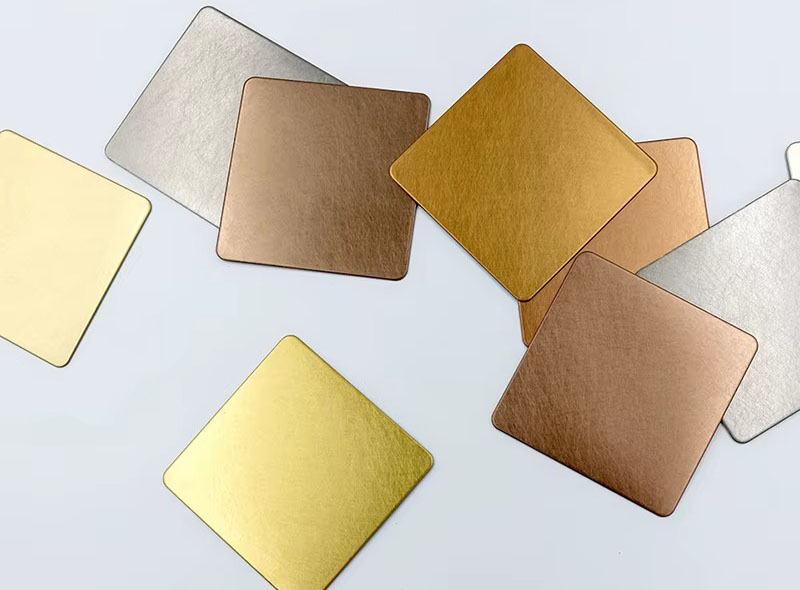
Before selecting the finish, consider the intended environment, stainless steel grade, lighting conditions, cleaning requirements, panel size, and the desired visual effect. A sample panel is often the best way to evaluate how the finish will look under the project’s actual lighting conditions.